Breaking the 10 MB/s Barrier: A Faster, Sequential Alternative to BTRFS RAID5/6 Scrubbing
If you are running a multi-disk BTRFS array using a RAID5 or RAID6 layout—especially over an encryption layer like LUKS—you are likely familiar with the dreaded “Scrub Crawl.” You kick off a routine btrfs scrub, expecting your modern SATA drives to hum along at their typical 100+ MB/s sequential speeds. Instead, you open iotop or … Read more
Secure reverse access with Systemd and UNIX Domain Sockets (without AutoSSH)

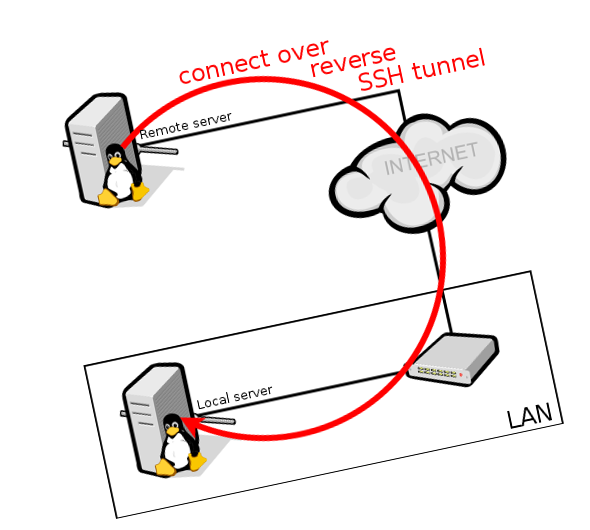
Navigating strict firewalls, carrier-grade NAT (CGNAT), or internal networks lacking a static public IP is a common infrastructure challenge. The classic answer is a Reverse SSH Tunnel—forcing a device inside the restrictive network to open an outbound connection to a public Virtual Private Server (VPS), mapping a route back to its local SSH daemon. For … Read more

Docker loves BTRFS, using the BTRFS storage driver

Btrfs is a copy-on-write filesystem that supports many advanced storage technologies, making it a good fit for Docker. Btrfs is included in the mainline Linux kernel. Docker’s btrfs storage driver leverages many Btrfs features for image and container management. Among these features are block-level operations, thin provisioning, copy-on-write snapshots, and ease of administration. Most notably, … Read more

Encrypted BTRFS storage setup with LUKS

Unfortunately, BTRFS doesn’t have an integrated, on filesystem level, encryption solution. The best solution for now (until hopefully BTRFS will get an integrated encryption solution) is to make use of LUKS. This adds a layer, but comes with the advantage of having full disk encryption that is transparent for the upper layer, in our case … Read more